
Ripples and Resilience: The Conestoga’s Indigenous History
The Conestoga River carried people long before it carried kayaks. Since the spring, the Conestoga River Club has been building that history into its programming through “Ripples and Resilience: A River Tale of Indigenous Resilience in Lancaster County” — an educational float led by Michael Mantooth, Historian to the Conestoga/Susquehannock Tribe.
A Float Through Indigeneity in the Watershed
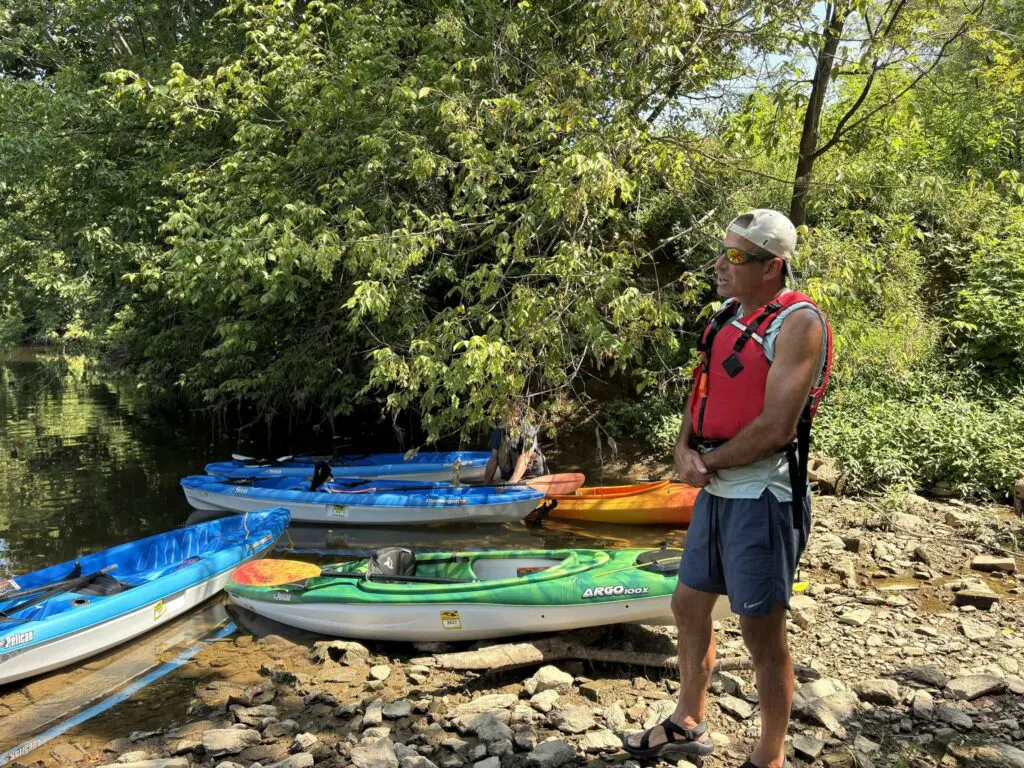
The program invites paddlers onto the water for more than scenery. Guided by Mantooth, participants move through the Conestoga Watershed while learning about the indigenous history woven into the land and river itself — history that predates every plan, launch, and cleanup the club organizes today. It’s one of the CRC’s recurring seasonal programs, first announced in the club’s May newsletter and repeated through the summer as interest has grown.
What the River Surfaces
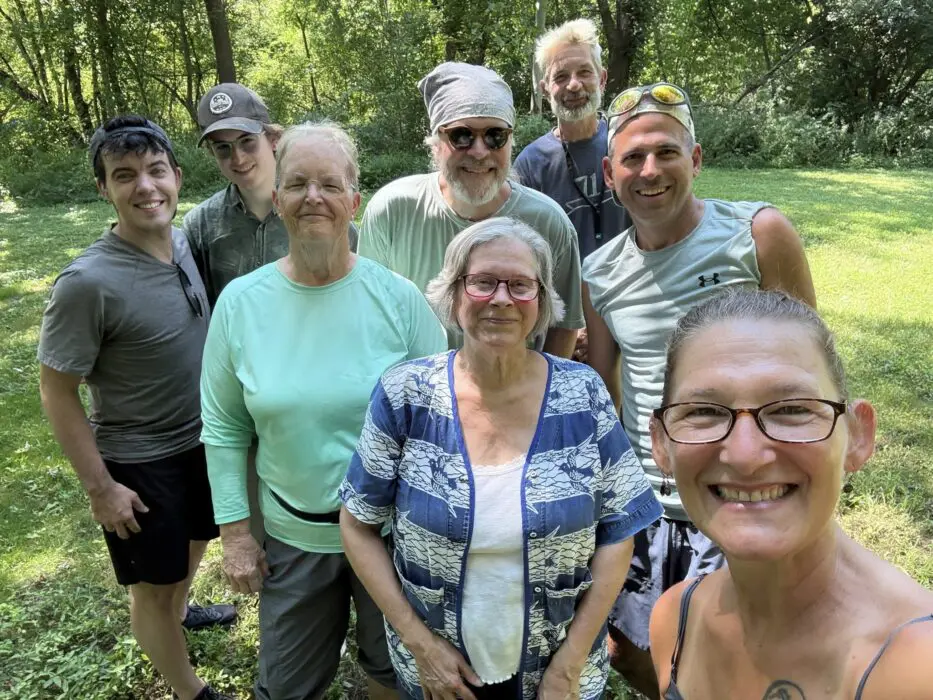
The impact of these floats shows up in how people describe them afterward. Reflecting on one such outing this summer, CRC Executive Director Malinda Harnish Clatterbuck described the group circling up at the end of the afternoon, sharing how they each felt after two hours on the water. The consensus, in her words: calm, reconnected, peaceful.
That kind of shared reflection is exactly what the program is built around — a reminder that slowing down on the river tends to bring people back to what matters, and that understanding a place fully means understanding who was there first.
Getting Involved
Ripples and Resilience floats are open to the CRC community and typically announced a season ahead through the Conestoga Chronicles newsletter. Anyone interested in joining the next one, or in bringing a group, can watch for registration details in upcoming newsletters or reach out directly to the club.
Source: Conestoga Chronicles, Issues 3, 5 & 6 (May–August 2026)